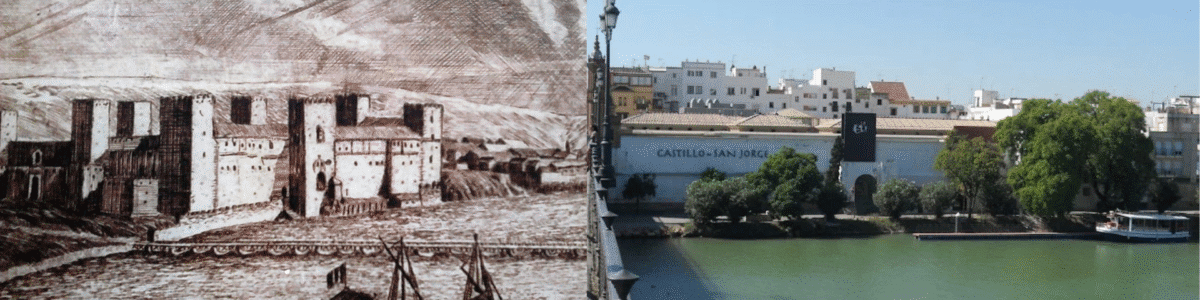
Exploring the Dark Legacy of the Spanish Inquisition: The Castle of San Jorge
The rich history of Spain is filled with remarkable tales, some celebrated and others shrouded in darkness. Among the darkest chapters in Spanish history is the infamous Spanish Inquisition, a period marked by religious persecution and fear. One of the key sites associated with this dark era is the Castle of San Jorge in Seville, a place that witnessed the horrors and sufferings inflicted upon thousands of individuals. In this blog post, we will delve into the historical significance of this castle, tracing its origins from an Almohad necropolis to its role as the seat of the Tribunal of the Inquisition. Join us on a journey through time as we reflect upon the more negative aspects of the human condition.
The Almohad Necropolis:
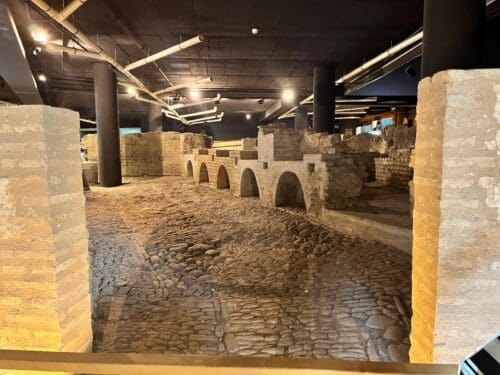
Long before the Castle of San Jorge stood tall, the site was originally an Almohad necropolis dating back to the 12th and 13th centuries. Located in the barrio de Triana, this burial ground held immense historical and cultural value. Excavations revealed 229 graves, but it is believed that the necropolis contained over 1,000 bodies. The simple graves were oriented towards the southwest, with the bodies placed in a flexed position, and the head facing east—towards Mecca—a customary practice in the Muslim religion. The discovery of numerous vases emphasized the importance of water in Muslim funerary rites.
The Emergence of the Castle:
As Christian troops advanced southward, a fortress was constructed on the grounds of the cemetery around 1220/1230. This stronghold aimed to safeguard the pontoon and protect the city of Seville. Following the conquest of Seville by Fernando III in 1248, the castle was granted to the Order of the Knights of Saint George. The site included a chapel, before becoming a shrine after the construction of the Parish Church of Santa Ana in 1276. Throughout its existence, the castle witnessed numerous conflicts, such as the feuds between the supporters of King Enrique IV and those of his brother, Prince Don Alfonso.

The Reign of the Spanish Inquisition:
In 1481, the Castle of San Jorge took on a new role when the Catholic Monarchs ceded it to the Tribunal of the Holy Inquisition. The Tribunal, established to maintain religious orthodoxy in Spain, used the castle as its headquarters for three centuries. Controlled by both the Crown and the Church, the Inquisition initially targeted Jews who had allegedly converted to Christianity but continued to practice their faith. Over time, the scope expanded to include the persecution of Protestants and anyone deemed to deviate from orthodox beliefs. The Castle of San Jorge became an emblematic symbol of the Spanish Inquisition throughout Europe, synonymous with imprisonment, torture, and religious oppression.
Post-Inquisition Era and Demolition:
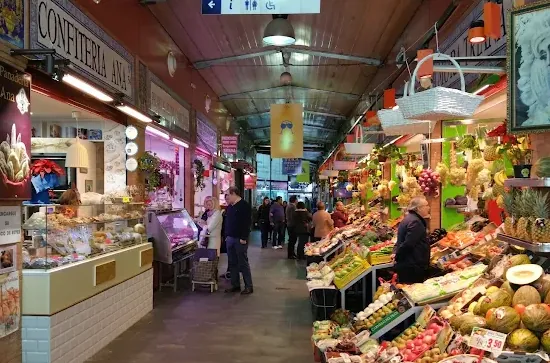
In 1785, due to frequent flooding of the nearby river, the Tribunal of the Inquisition relocated to the former Jesuit school of Las Becas, where it remained until its eventual disappearance between 1800 and 1803. Following the departure of the Tribunal, the Castle of San Jorge was granted to the city, but unfortunately, the council opted to demolish the castle and level the site. The area was subsequently repurposed as a granary until 1822 when the Municipal Market of Triana was constructed. In the years that followed, the southern end of the site was annexed to build the Isabel II bridge. The market continued to function until 1990 when it was demolished to make way for a new market, leading to the discovery of the castle.
Sacred Art Museum of Triana
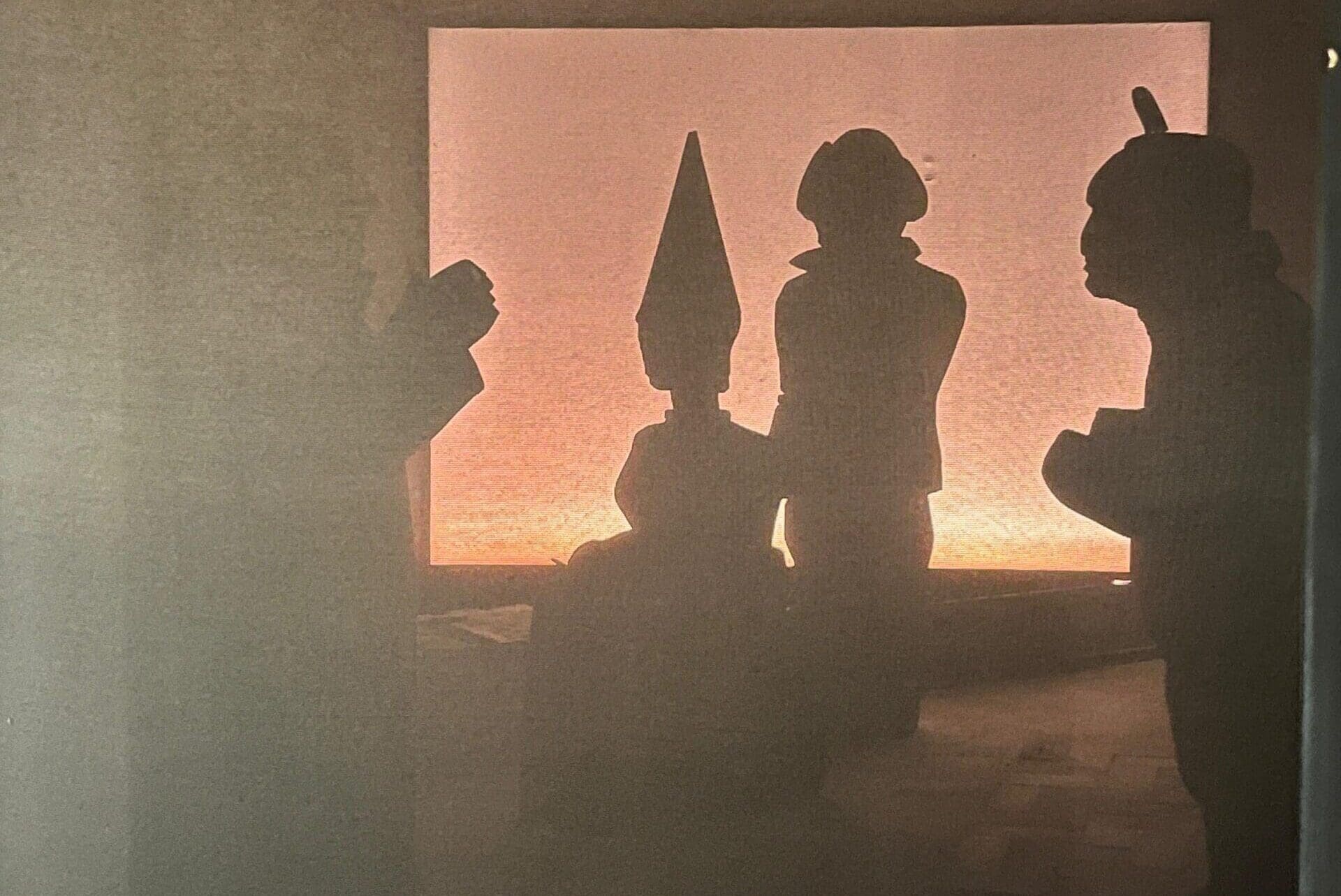
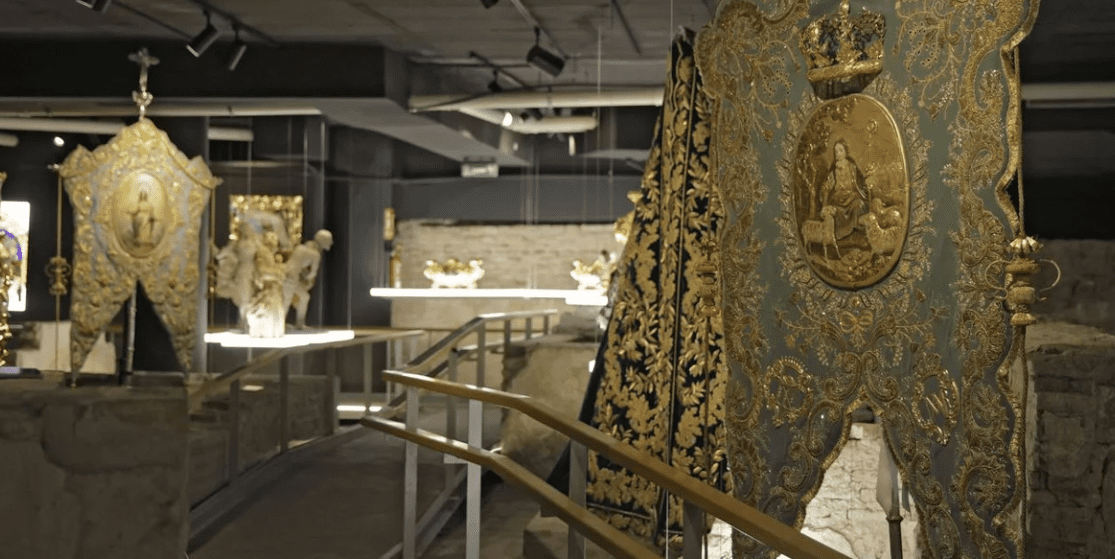
Housed within the historic Castle of San Jorge in Seville, the newly inaugurated Museo del Arte Sacro de Triana presents a powerful juxtaposition of beauty and memory. Opened in March 2025, the museum showcases over 50 handcrafted works from Sevillian artisans, including embroidery, sculpture, goldsmithing, and lacework—highlighting the city's renowned sacred art tradition. Its first exhibition, “Del esbozo a la gloria” ("From Sketch to Glory"), features contributions from more than 30 brotherhoods across Andalusia, transforming the old Inquisition tribunal into a vibrant space of cultural and religious expression.
At the same time, the museum preserves the site's dark past by maintaining its function as an Interpretation Center of the Inquisition. Visitors can explore the dungeons and ruins that once symbolized religious persecution, now contrasted by the celebration of faith through art. While many welcome the revival of the space, heritage groups have raised concerns about the potential overshadowing of its historical gravity. Still, the museum stands as a unique place where Seville's spiritual heritage and historical conscience meet under one roof.
Visit Seville with a licensed local guide
Private tours in English for couples, families and small groups, designed around what you want to see. Book online in two minutes, or send us your dates and we will get back to you within 24 hours.
- Official licensed guides
- Private tours, never a group
- Secure online payment
Book a private tour online
Prefer a tailor-made tour?
Tell us your dates, group size and interests. We can combine Seville with Córdoba, Ronda or an Iberian ham experience.
Chat on WhatsApp