Seville Captivates The New York Times: Why the World Is Looking at Southern Spain Right Now
February 18, 2026
Las Jornadas de Orientación y Empleo de la UPO conectan universidad y sector cultural
March 9, 2026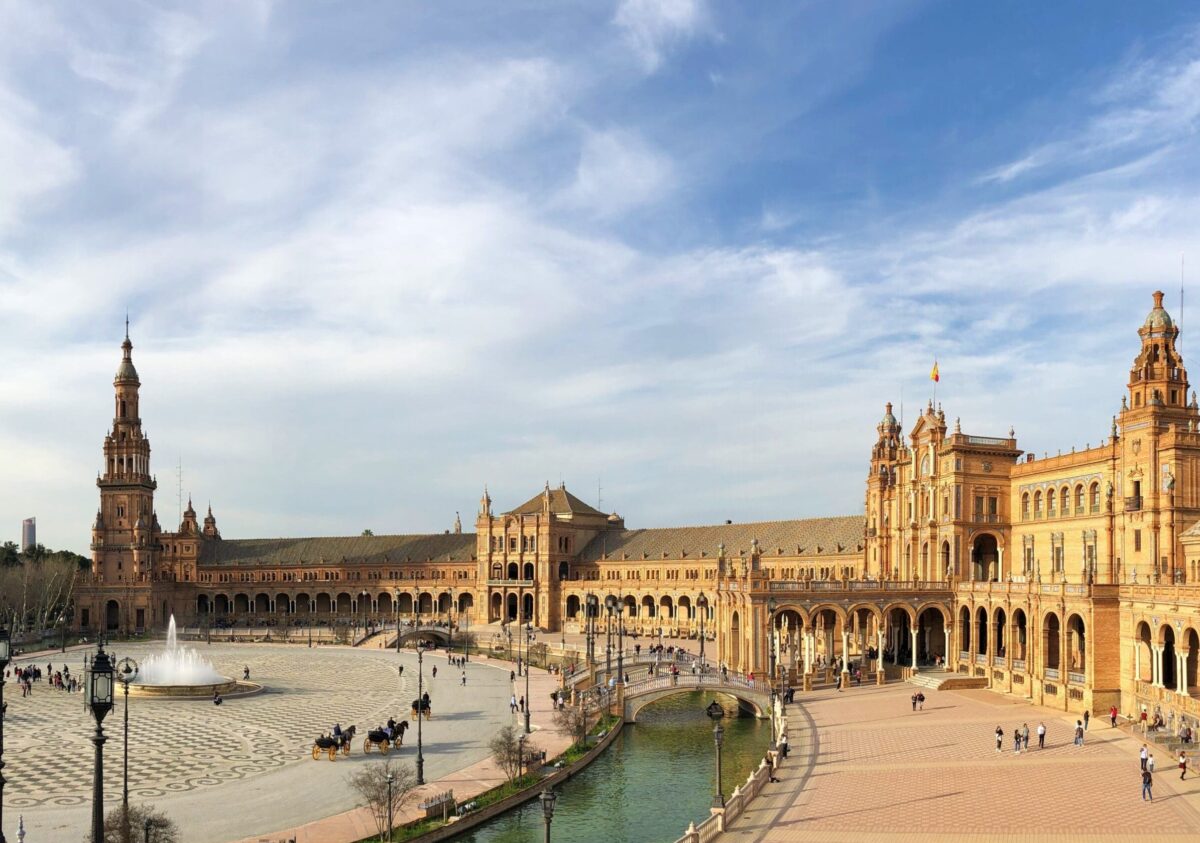
Sevilla Tourism Experience: 1929 Expo Sites Seek UNESCO Status
For travelers seeking an authentic Sevilla tourism experience, the city offers far more than tapas, flamenco, and sunny plazas. Seville is also a living museum of architecture, culture, and history, and now some of its most iconic spaces may soon receive global recognition.
The city has officially begun the process to nominate the main sites of the Ibero-American Exposition of 1929 for inclusion on the UNESCO World Heritage list. If approved, these monumental areas would join Seville’s already prestigious heritage landmarks and further strengthen the city’s reputation as one of Europe’s most fascinating destinations.
A New Chapter for Seville’s Cultural Heritage
The city council of Seville has launched the official dossier required to begin the UNESCO candidacy. The goal is to recognize the urban, cultural, and architectural legacy of the 1929 exposition, an event that reshaped the city and created some of its most beloved landmarks.
The initiative focuses on protecting and promoting the monumental complex built for the exposition, which symbolized Spain’s cultural connections with the Americas and showcased Andalusian architecture to the world.
For visitors today, these spaces are not just historical sites. They are central to the Sevilla tourism experience, attracting millions of travelers every year.
The Iconic Spaces of the 1929 Exposition
Several of the city’s most recognizable landmarks were built for the exposition and remain key highlights for travelers exploring Seville.
Plaza de España
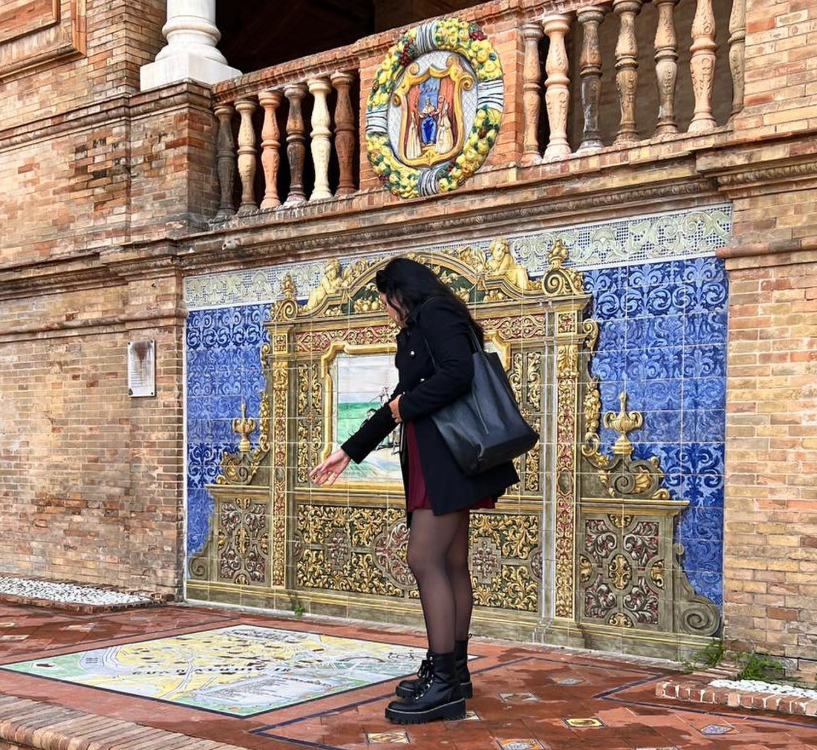
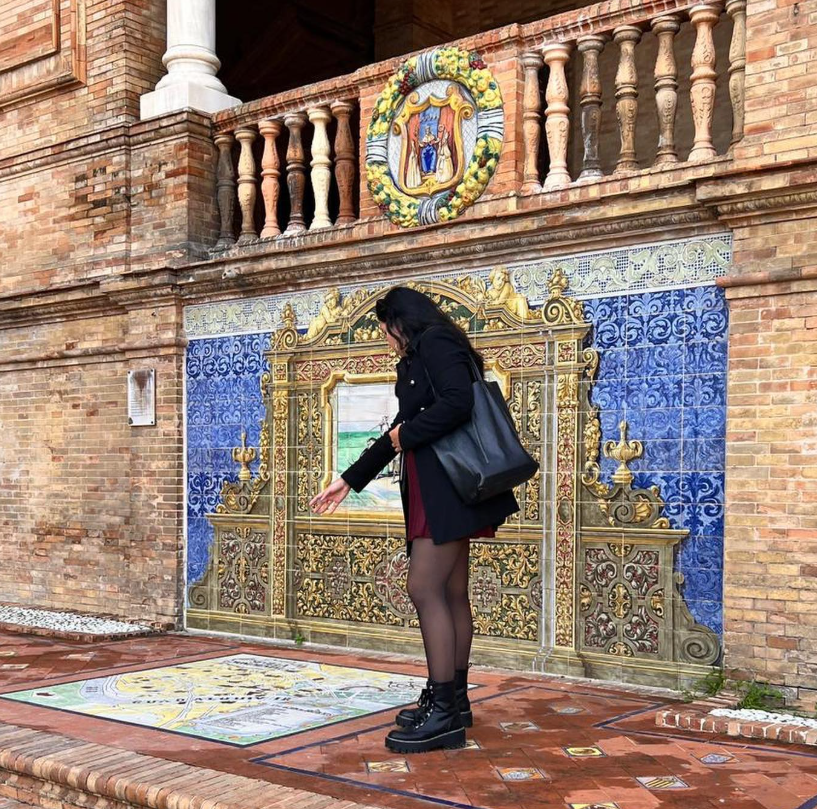
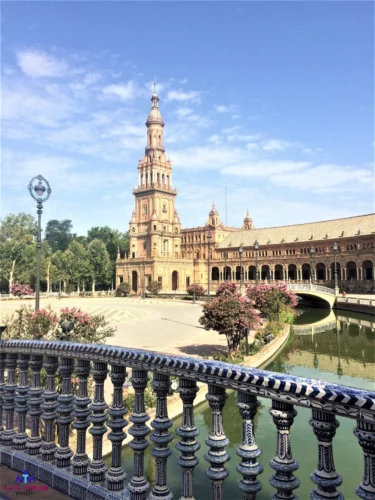
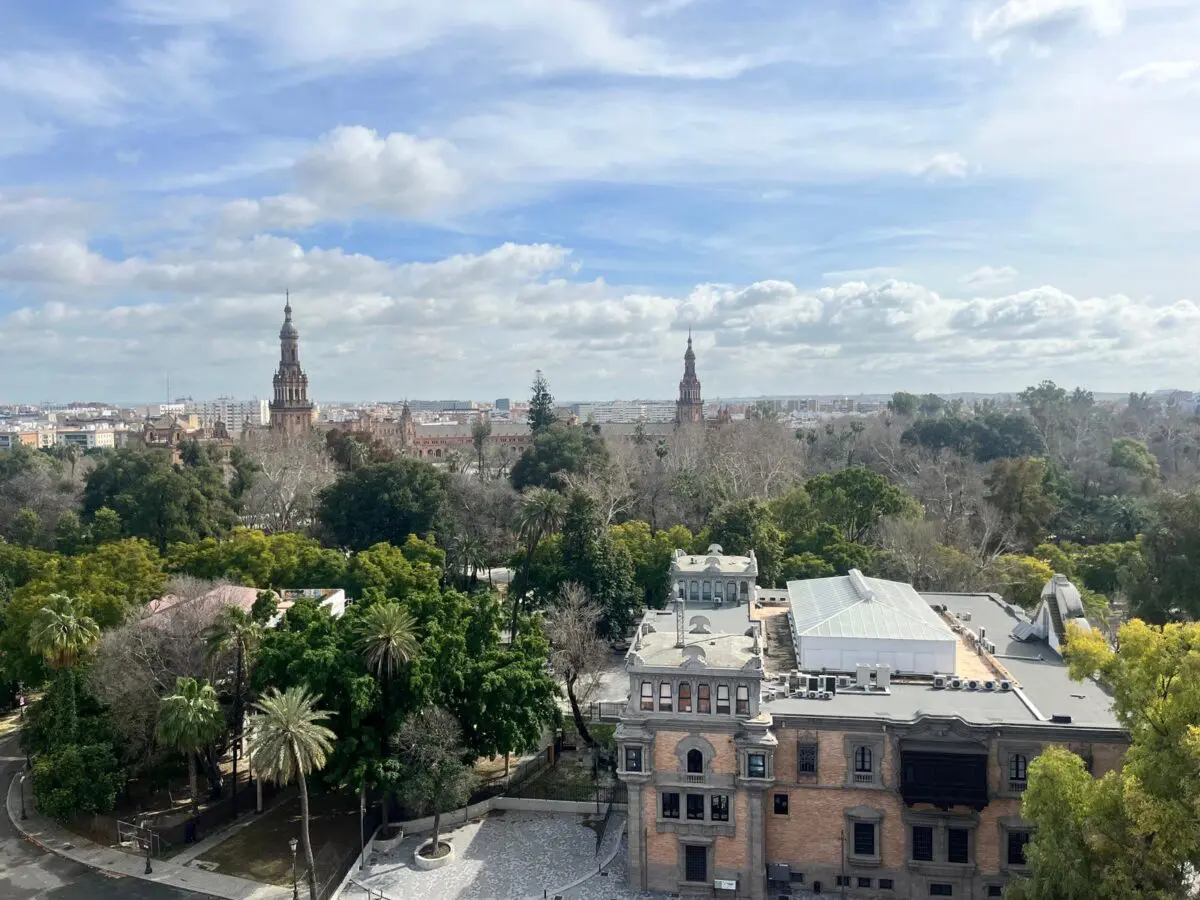
The spectacular Plaza de España is perhaps the most famous legacy of the exposition. Designed by architect Aníbal González, the semi-circular complex combines Renaissance revival and Moorish elements. Its tiled bridges, canals, and provincial ceramic mosaics make it one of the most photographed places in Spain.
Parque de María Luisa
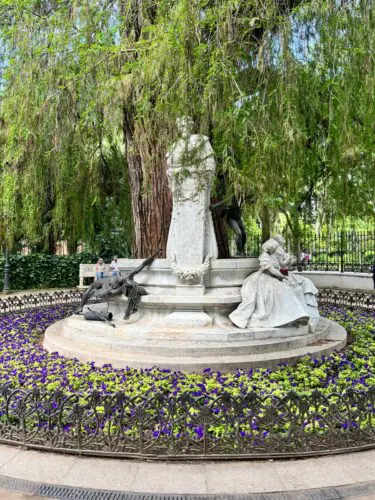
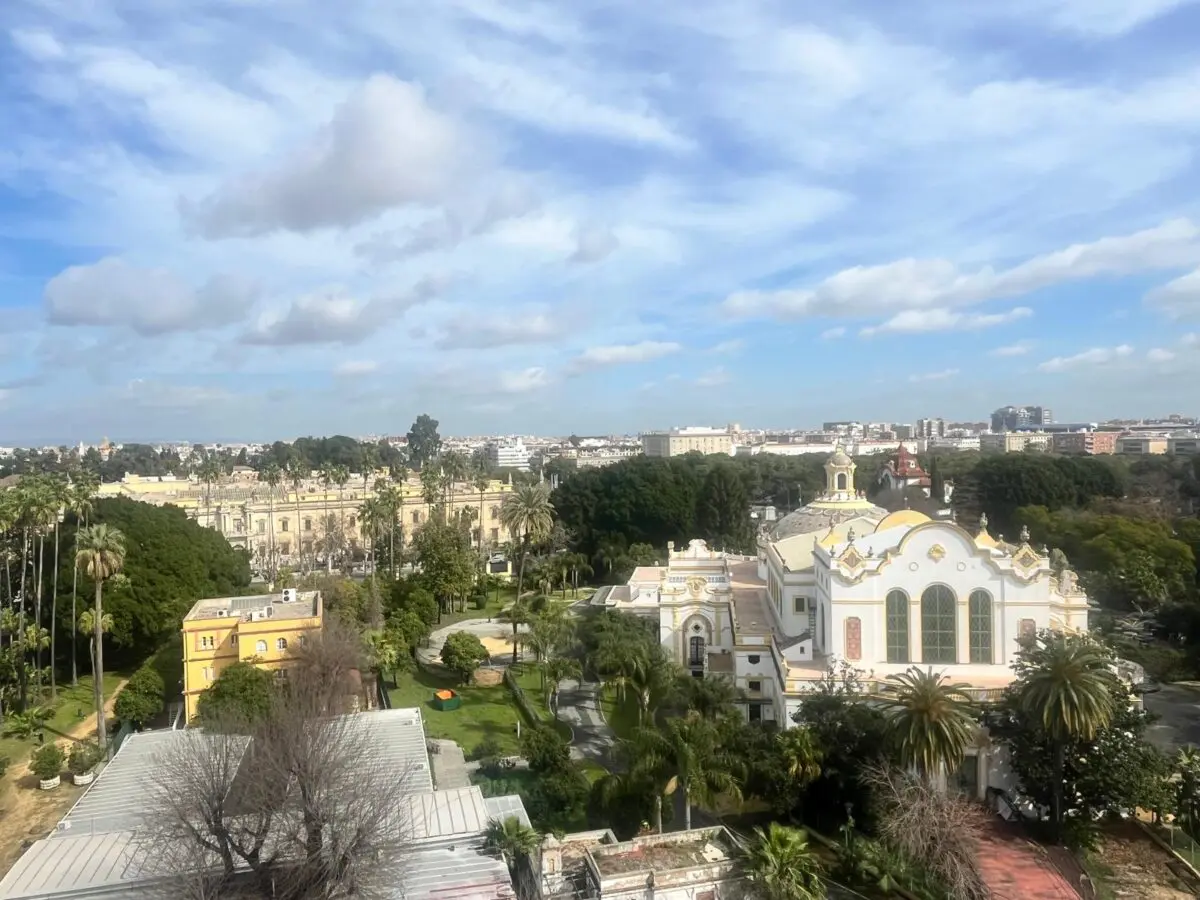
Next to the plaza lies the lush Parque de María Luisa, transformed for the exposition into a grand public garden filled with fountains, shaded pathways, and elegant pavilions.
Plaza de América
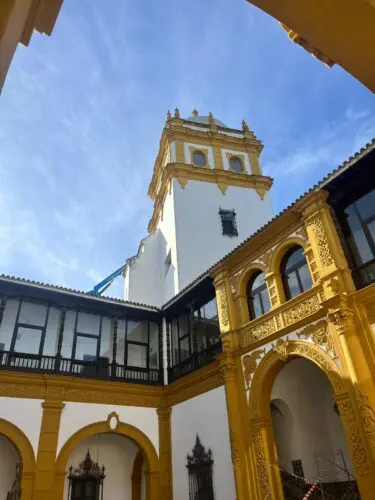
Within the park, Plaza de América hosts several remarkable buildings such as the Mudéjar Pavilion and the Archaeological Museum, showcasing the rich artistic traditions of Andalusia.
Together, these spaces represent one of the most ambitious urban projects in Spain during the early 20th century.
Why UNESCO Recognition Matters
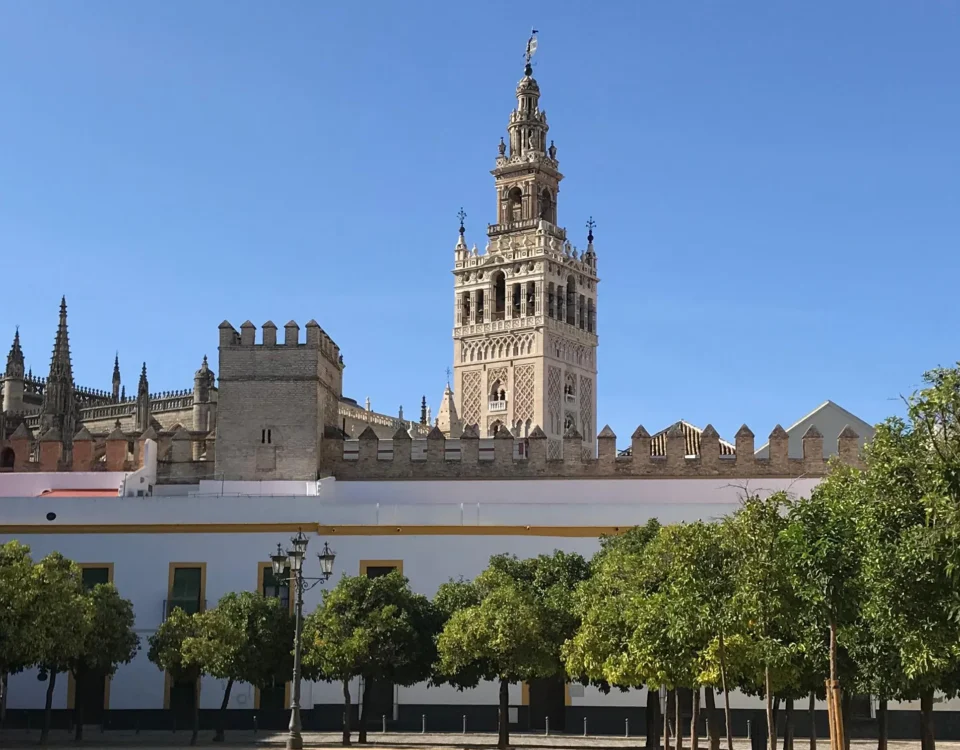
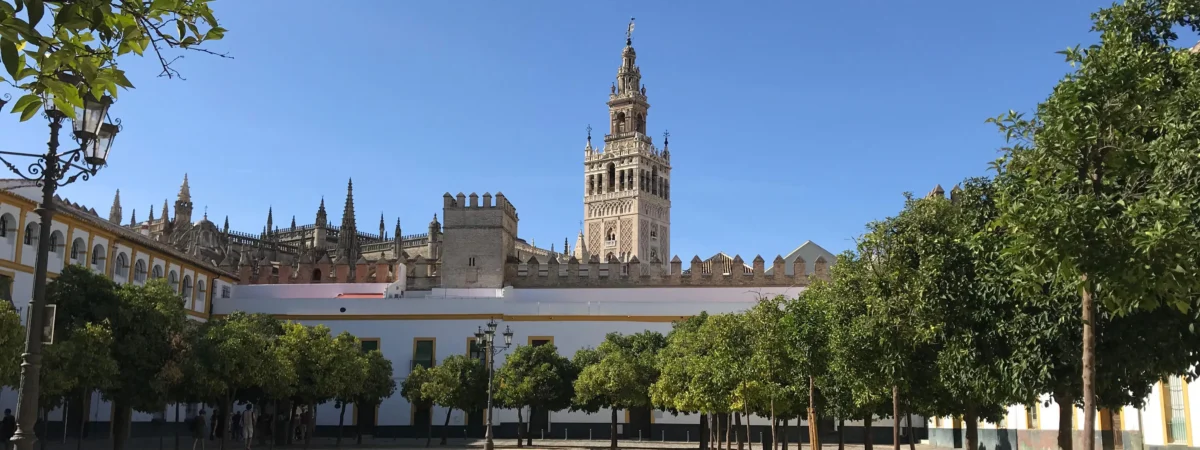
Seville already boasts three UNESCO World Heritage monuments: the Cathedral, the Alcázar, and the Archive of the Indies. Expanding that recognition to the exposition sites would reinforce the city’s global cultural importance.
If the nomination succeeds, it could:
-
Strengthen international recognition of Seville’s architectural heritage
-
Encourage conservation and restoration efforts
-
Increase cultural tourism
-
Highlight the historical importance of the 1929 exposition
For travelers, this means an even richer Sevilla tourism experience, where history, architecture, and culture come together in one unforgettable setting.

What This Means for Visitors
For those planning a trip to Seville, these historic areas already form the heart of many itineraries. Walking through Plaza de España, relaxing in María Luisa Park, or discovering the pavilions of Plaza de América allows visitors to experience the legacy of the exposition firsthand.
These spaces are perfect for:
-
Photography and architecture enthusiasts
-
Families exploring Seville’s parks
-
Travelers seeking historic landmarks beyond the cathedral
As Seville moves forward with its UNESCO candidacy, visitors have the unique opportunity to explore these monuments at a moment when their global importance is gaining renewed attention.
Experiencing the Legacy of the 1929 Exposition
The story of the 1929 exposition is a defining chapter in the identity of Seville. It transformed the city into an international showcase and left behind a collection of landmarks that still shape its cultural landscape.
Today, exploring these places is one of the most rewarding parts of a Sevilla tourism experience. From the grand bridges of Plaza de España to the peaceful gardens of María Luisa Park, every corner reflects a moment when Seville opened itself to the world.
And soon, the world may recognize these spaces once again, this time as a new UNESCO World Heritage site.