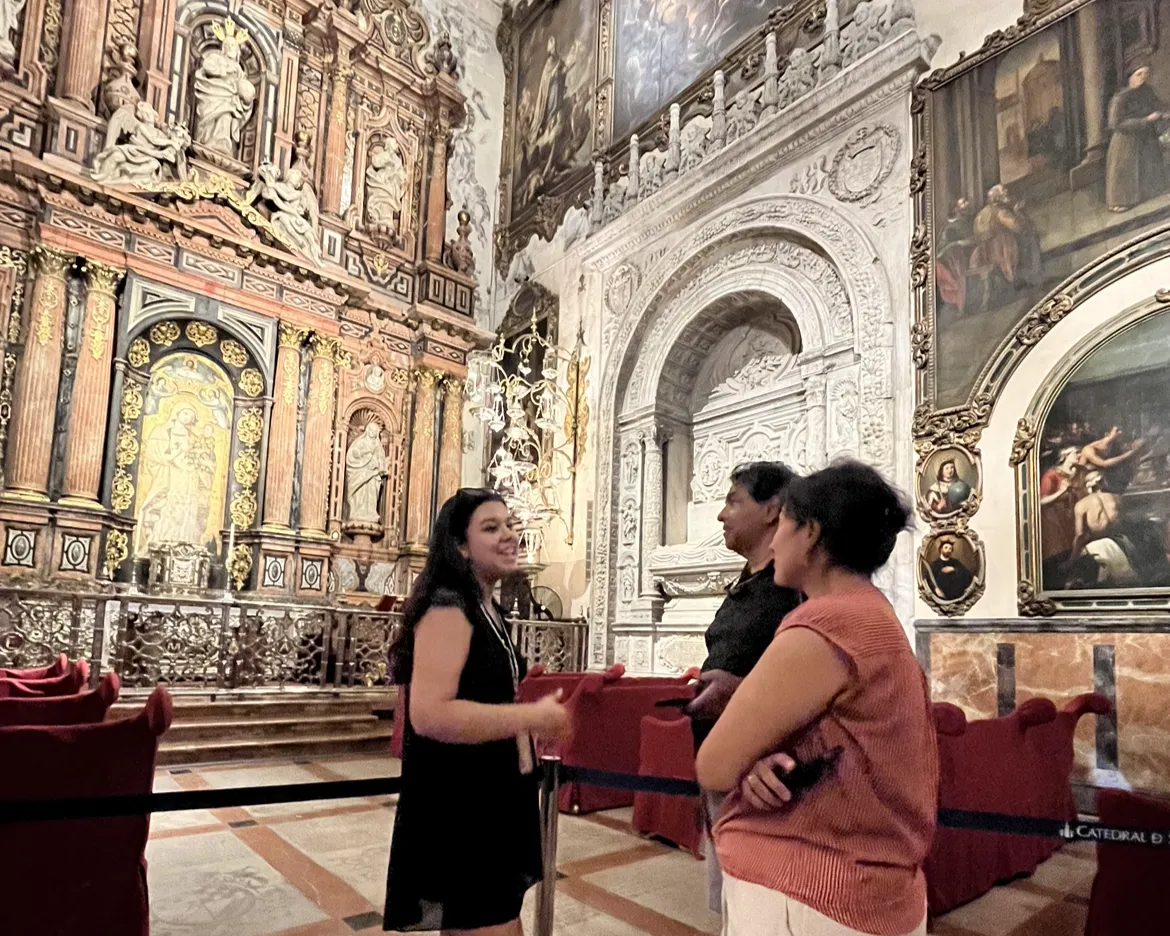
International Museum Day: The Importance of Projects Like Casa Sefardí de Seville
Every year on May 18th, the world celebrates International Museum Day, an initiative promoted by the International Council of Museums to highlight the role museums and interpretation centers play in preserving memory, fostering intercultural dialogue, and protecting heritage.
In a city like Seville, where history is layered into every street and monument, this celebration is also an opportunity to reflect on the stories that still deserve greater visibility. One of them is the Sephardic heritage of Seville.
In this context, the project Casa Sefardí de Sevilla, developed as a Master’s thesis within the Universidad Pablo de Olavide Master’s program in Art, Museums, and Historical Heritage Management, by Alba Delgado, our lead tour guide, proposes the creation of an interpretation center dedicated to the history and legacy of Seville’s Jewish community.
Recovering a Forgotten Part of Seville’s History
The former Jewish Quarter of Seville was once one of the most important in the Iberian Peninsula. Yet today, much of its history remains largely unknown to many visitors — and even to locals themselves.
The Casa Sefardí de Sevilla project emerges from the need to preserve, interpret, and share the cultural and historical legacy of the city’s Sephardic community.
The proposal envisions an interpretation center located in an area closely connected to the old Jewish Quarter, creating an educational and immersive cultural experience for both local and international visitors.
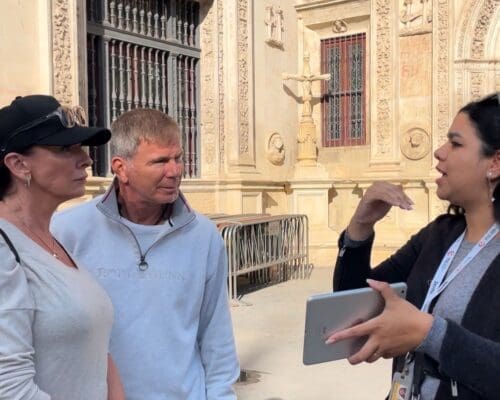
More Than a Museum: A Space for Cultural Interpretation
One of the most interesting aspects of the project is that it goes beyond displaying historical objects. Instead, it proposes a contemporary interpretation center adapted to modern forms of cultural communication and visitor engagement.
The project includes ideas such as:
- Interactive exhibitions
- Audiovisual and immersive resources
- Educational activities
- Cultural routes connected to the Jewish Quarter
- Spaces for intercultural dialogue
This approach reflects the evolving role of museums in the 21st century: not only preserving heritage, but also making it accessible, engaging, and meaningful for diverse audiences.
Why International Museum Day Matters
International Museum Day is not only about celebrating large institutions. It is also about recognizing projects, initiatives, and cultural spaces that contribute to preserving identities and recovering overlooked narratives.
Projects like Casa Sefardí de Sevilla demonstrate how museums and interpretation centers can help:
- Protect intangible heritage
- Promote intercultural understanding
- Strengthen historical awareness
- Encourage sustainable cultural tourism
In cities heavily affected by mass tourism, these types of initiatives also encourage visitors to engage more deeply with local history and identity.
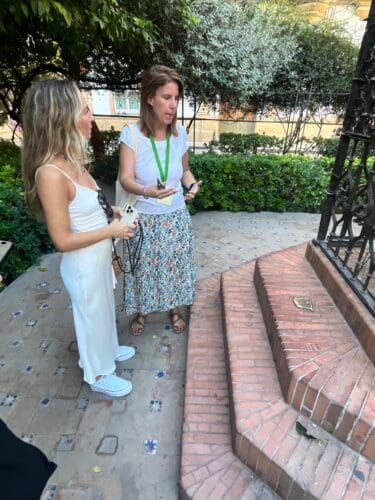
Seville’s Jewish Heritage and Cultural Tourism
Today, many travelers visiting Seville explore the Santa Cruz neighborhood without fully realizing they are walking through the former Jewish Quarter of the city.
Creating dedicated spaces for interpretation helps visitors better understand:
- The coexistence of cultures in medieval Seville
- The impact of the Sephardic community on the city
- The transformations that followed the expulsion of Jews from Spain
This deeper understanding transforms a simple walk into a much richer cultural experience.

The Role of Museums in Sustainable Tourism
As cultural tourism continues to grow, interpretation centers and museums are becoming increasingly important tools for promoting more sustainable ways of traveling.
Rather than focusing only on overcrowded monuments, projects like Casa Sefardí encourage:
- Slower tourism
- Educational experiences
- Respect for local heritage
- Diversification of visitor routes
This contributes positively both to travelers and to the preservation of the city itself.
Preserving Memory Through Culture
On International Museum Day, projects like Casa Sefardí de Sevilla remind us that heritage is not only about monuments — it is also about memory, identity, and storytelling.
Recovering and interpreting the Sephardic legacy of Seville helps create a more complete and inclusive understanding of the city’s history.
And perhaps that is one of the most important missions of museums today: ensuring that forgotten voices continue to be heard by future generations.