'/%3E%3C/svg%3E)
'/%3E%3Cpath%20fill='%23b2b2b2'%20d='M241%20382q0%2016%2017%2026%2017%2011%2042%2011t42-11q16-11%2017-26V269H241'/%3E%3Cpath%20fill='%239f7e00'%20d='M241%20379q0%2014%208%2023%209%209%2021%209%2014%200%2021-9%209-9%209-23V269h-59'/%3E%3Cpath%20d='M241%20339v-70h59v110q0%2014-9%2023l-6%205v-68h-15v72q-8%200-14-4v-68zm59%2040c0%2022%2015%2032%2029%2032%2021%200%2030-18%2030-32v-40h-59'/%3E%3Cpath%20fill='%239f7e00'%20d='M266%20277v5h2v12h-3v-5h2v-5h-9v5h2v5h-4v9h3v18h-5v10h34v-10h-5v-18h3v-9h-4v-5h2v-5h-9v5h2v5h-3v-12h2v-5zm42%20101q0%2010%206%2017%206%206%2015%207%2010-1%2016-7%206-7%206-17v-29h-43'/%3E%3Ccircle%20fill='%230044ad'%20cx='329.5'%20cy='372'%20r='6'/%3E%3Cellipse%20fill='%230044ad'%20cx='300'%20cy='340'%20rx='16'%20ry='21'/%3E%3C/svg%3E)
Sevilla Tourism Experience: When Is the Best Time to Visit Seville?
Planning the perfect Sevilla tourism experience means choosing the right time to visit. While Seville is beautiful year-round, the city changes dramatically depending on the season — from orange blossom-filled spring mornings to the intense heat of summer.
If you’re wondering when to visit Seville, this guide will help you understand the weather, crowds, festivals, safety, and best travel periods to enjoy the city comfortably.
☀️ Understanding Seville’s Climate
Seville is famous for its sunshine — and also for its heat.
The city has a Mediterranean climate with:
- Mild winters
- Warm springs and autumns
- Extremely hot summers
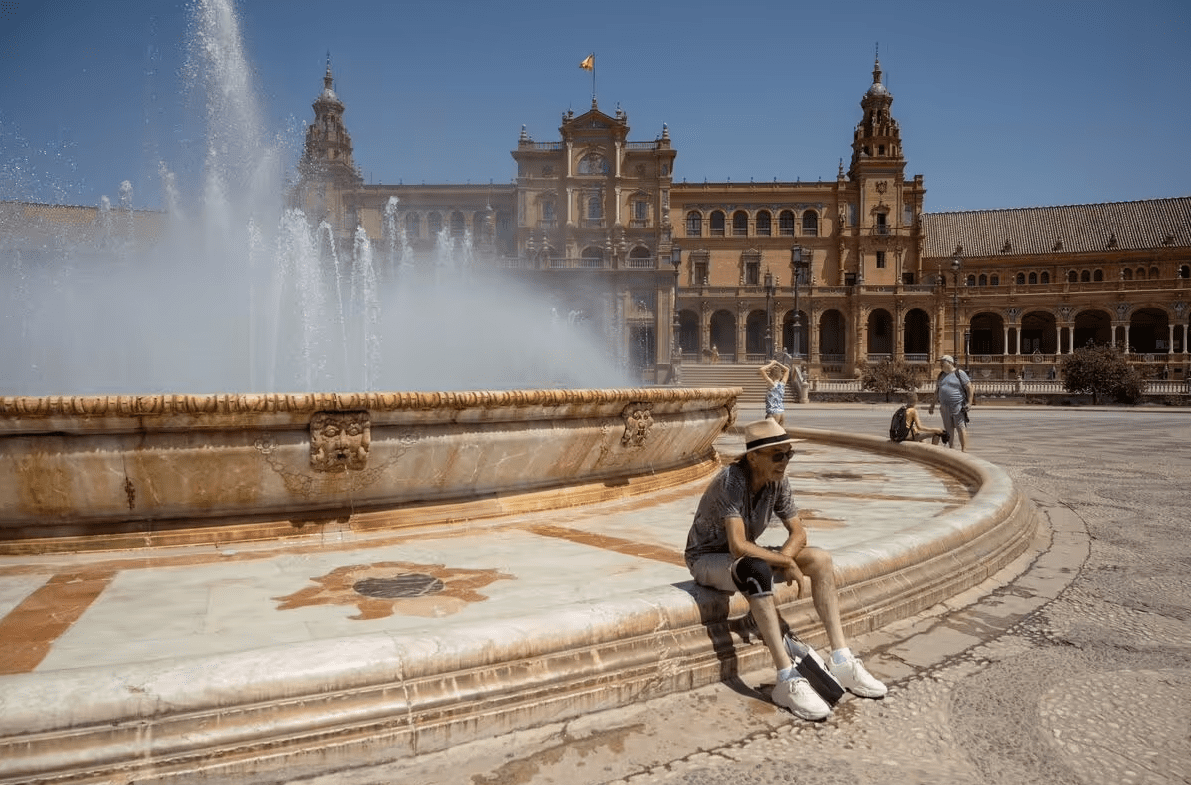
In fact, Seville is often considered one of the hottest cities in Europe during July and August.
Temperatures in summer frequently exceed:
- 40°C / 104°F (in the shade)
- Occasionally even higher during heat waves
For many travelers, this can seriously affect the overall Sevilla tourism experience, especially when walking long distances through the historic center.

🌸 Best Time to Visit Seville: Spring
March to May = Ideal Season
Spring is widely considered the best time to visit Seville.
Why?
- Pleasant temperatures
- Longer daylight hours
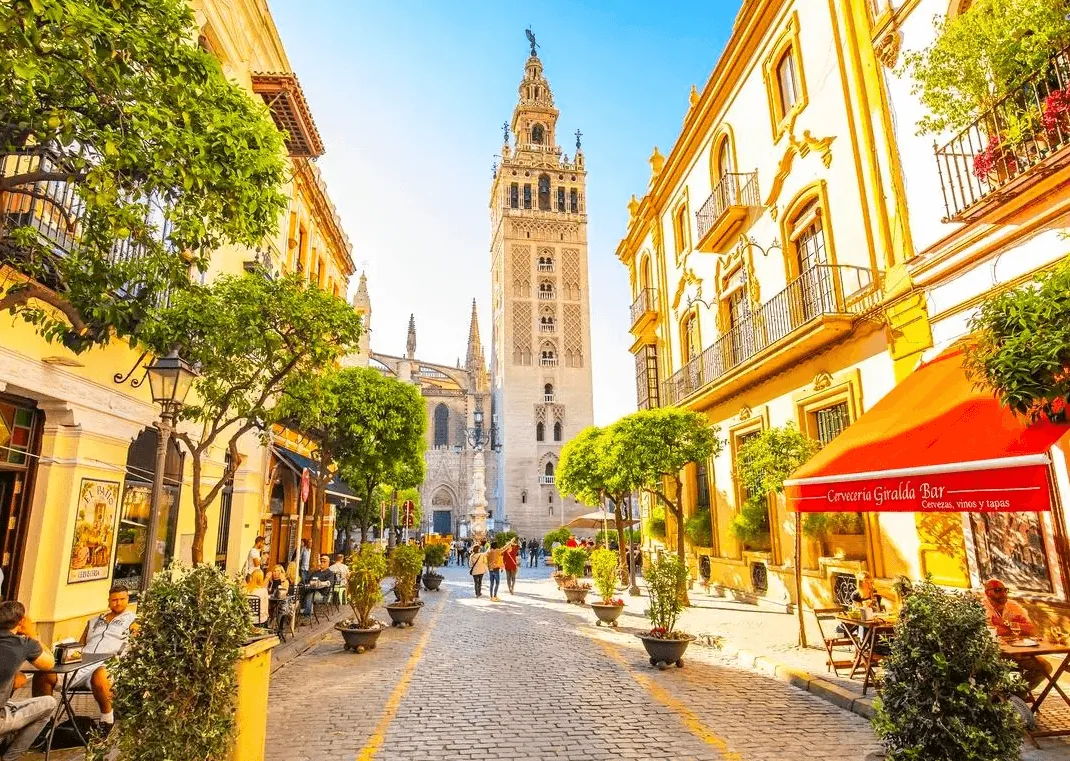
- Orange blossoms filling the streets
- Outdoor terraces and vibrant atmosphere
Average temperatures:
- 20–30°C (68–86°F)
This is when the city truly comes alive.
🎭 Festivals That Transform the City
Spring also brings Seville’s most famous celebrations:
✝️ Semana Santa
A week of religious processions, music, and tradition that transforms the entire city.
💃 Feria de Abril
One of Spain’s most iconic festivals, full of flamenco dresses, horse carriages, music, and local culture.
⚠️ Important:
These events create an unforgettable atmosphere, but also:
- Larger crowds
- Higher hotel prices
- Limited availability
Booking in advance is essential.

🔥 Should You Avoid Summer in Seville?
June to August: Beautiful but Extremely Hot
Summer in Seville can be challenging, especially for:
- Families with children
- Travelers sensitive to heat
- Visitors planning long walking days
During midday and specially afternoons, temperatures can become exhausting.
However, summer also has advantages:
- Fewer crowds at some monuments
- Lower accommodation prices
- Longer evenings and lively nightlife
If you visit in summer:
✅ Explore early in the morning
✅ Rest during midday (Midday in Spain is 2pm)
✅ Plan indoor visits during hottest hours
✅ Stay hydrated constantly
🍂 Why Autumn Is Underrated
September to November
Autumn offers one of the best balances for a comfortable Sevilla tourism experience.
Benefits include:
- Warm but manageable temperatures
- Fewer crowds
- More relaxed atmosphere
- Excellent light for photography
Many travelers actually prefer autumn over spring.
❄️ Winter in Seville: Mild and Peaceful
Unlike much of Europe, winter in Seville remains relatively mild.
Average temperatures:
- 15–20°C (59–68°F)
This makes Seville an excellent winter destination for travelers escaping colder climates.
Advantages:
- Lower tourist numbers
- Easier monument access
- Pleasant daytime weather
🛡️ Is Seville Safe for Travelers?
One of the reasons many visitors enjoy their Sevilla tourism experience so much is because Seville is generally considered one of the safest major tourist cities in Spain.
The historic center is highly walkable, lively, and full of people both day and night. Areas such as: Santa Cruz, El Arenal, Triana, Salvador, are usually very comfortable for visitors.
Common Sense Still Matters
Like any popular tourist destination, visitors should remain aware of:
- Pickpocketing in crowded areas
- Busy festivals and public transport
- Tourist-heavy zones around major monuments
Basic precautions are usually enough:
✅ Keep valuables secure
✅ Avoid leaving bags unattended
✅ Be cautious in crowded spaces during festivals
Overall, Seville offers a very relaxed atmosphere compared to many larger European capitals, making it ideal for: Solo travelers, Couples, Families, Slow travel experiences.
Walking through Seville at night — especially in the illuminated historic center — is often one of the highlights of the trip.
🧭 Best Months Depending on Your Travel Style
For Culture & Walking Tours
👉 March, April, October, November
For Festivals & Atmosphere
👉 Semana Santa & Feria season
For Budget Travelers
👉 Summer and winter
For Photography
👉 Spring and autumn light is ideal
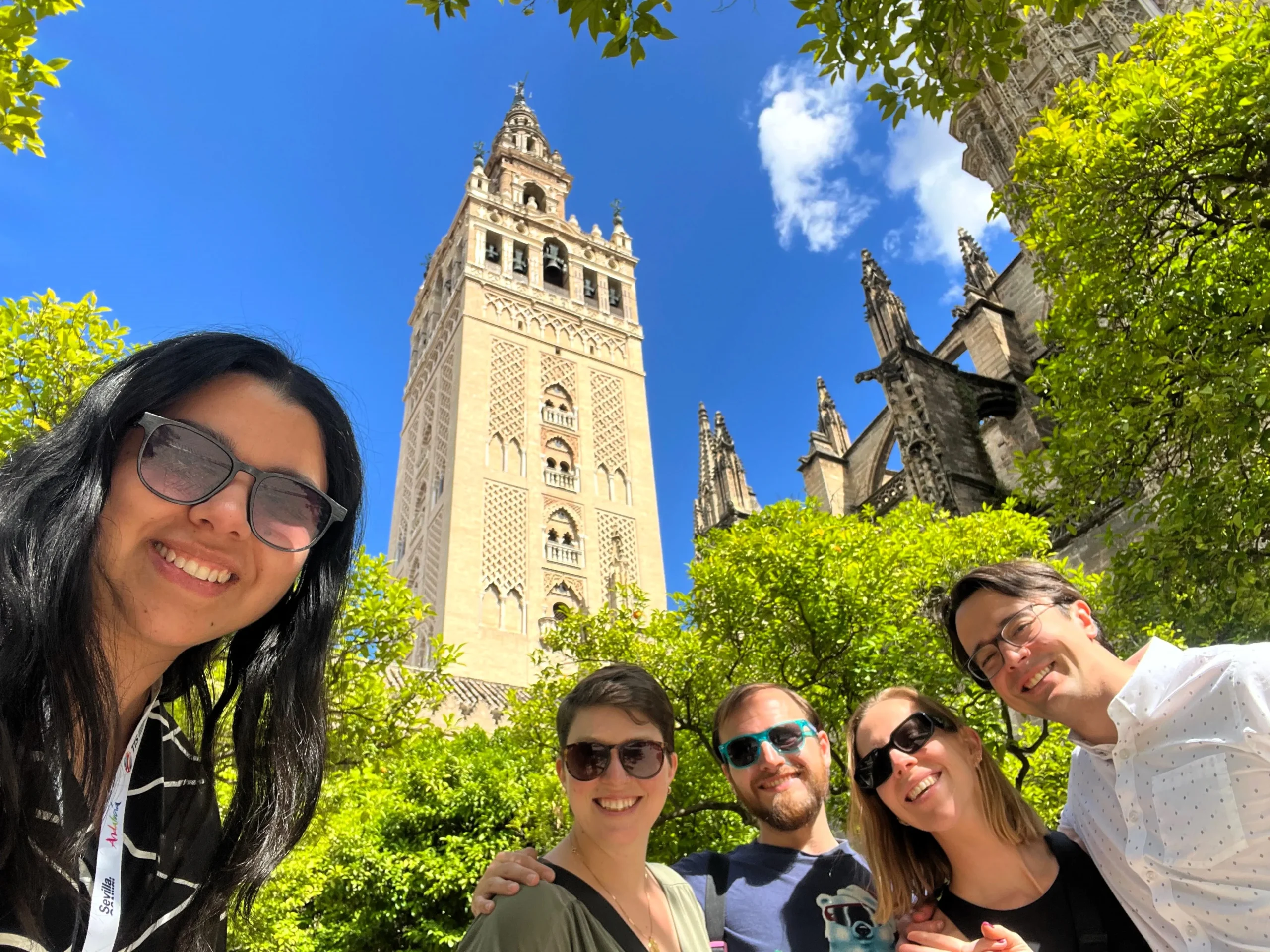
👣 Why Timing Matters for Your Seville Experience
The timing of your trip can completely shape how you experience the city.
Walking through the Royal Alcázar of Seville at sunset in spring feels very different from exploring it during a summer heat wave.
The same city can offer:
- A relaxed cultural escape
- An intense festive atmosphere
- A quiet winter retreat
Choosing the right season helps you enjoy Seville at its best.
The Best Sevilla Tourism Experience
There’s no bad time to visit Seville — but there are definitely better times depending on what you want from your trip.
For most travelers, spring and autumn offer the perfect balance of weather, culture, and atmosphere. Summer can still be rewarding, but it requires planning around the heat.
And beyond its beauty, Seville is also a welcoming and relatively safe destination, perfect for travelers who want to enjoy history, food, culture, and slow travel in a relaxed environment.
No matter when you come, Seville rewards curiosity, wandering, and taking time to experience the city beyond the typical tourist checklist.
Visit Seville with a licensed local guide
Private tours in English for couples, families and small groups, designed around what you want to see. Book online in two minutes, or send us your dates and we will get back to you within 24 hours.
- Official licensed guides
- Private tours, never a group
- Secure online payment
Book a private tour online
Prefer a tailor-made tour?
Tell us your dates, group size and interests. We can combine Seville with Córdoba, Ronda or an Iberian ham experience.
Chat on WhatsApp